How to Streamline Multifamily Maintenance Operations in TX
A Texas operator's guide to streamline multifamily maintenance operations. Learn to cut costs, reduce ticket times, and boost NOI by integrating tech, standardizing workflows, and leveraging smart vendor partnerships.
'''To streamline multifamily maintenance operations, Texas operators must integrate technology for work orders, standardize preventative maintenance schedules, and leverage ancillary services like valet trash to offload tasks from their on-site teams. This approach reduces ticket backlogs, cuts operational costs, and directly improves net operating income (NOI).
TL;DR:
- Implement a modern Computerized Maintenance Management System (CMMS) to automate work orders and track team performance.
- Shift from a reactive to a proactive maintenance model with a structured preventative maintenance (PM) program.
- Outsource non-core tasks like trash collection to specialized vendors to free up your maintenance staff for higher-value work.
Understanding the True Cost of Maintenance
The true cost of maintenance extends beyond payroll and parts; it includes resident turnover, vendor management overhead, and the opportunity cost of inefficient operations. For Texas properties, a slow or disorganized maintenance process directly impacts resident satisfaction and, consequently, retention—a critical factor in markets like Austin and Dallas where new supply is constantly coming online.
Inefficient maintenance operations create a domino effect: slow response times lead to poor reviews, which hurts leasing, and high turnover increases make-ready costs, directly compressing your NOI. The goal is to view maintenance not as a cost center, but as a value driver that protects the asset and enhances the resident experience.
The Three Pillars of Streamlined Maintenance
Streamlining your maintenance department involves a three-pronged approach: standardizing your workflows, implementing the right technology, and strategically managing your vendors. Mastering these areas creates a more resilient and efficient operation.
Pillar 1: Standardize Workflows and Processes
Standardization is the foundation of an efficient maintenance program. It means creating a clear, repeatable playbook for every common task, from handling a work order to completing a full unit turn.
Your primary goal is to eliminate guesswork for your technicians. When processes are standardized, team members can execute tasks faster, more consistently, and with fewer errors. This is especially critical for operators with portfolios across different Texas cities, ensuring a consistent resident experience in a Houston high-rise and a San Antonio garden-style community.
Create a digital or physical "Maintenance Playbook" that includes:
- Work Order Priority Matrix: A table defining what constitutes an emergency, urgent, or routine request.
- Standard Operating Procedures (SOPs): Step-by-step instructions for the 20 most common repairs (e.g., HVAC troubleshooting, garbage disposal replacement).
- Make-Ready Checklist: A detailed, non-negotiable checklist for turning a unit, including specific paint colors, required fixtures, and inspection points.
Pillar 2: Implement a Modern Tech Stack
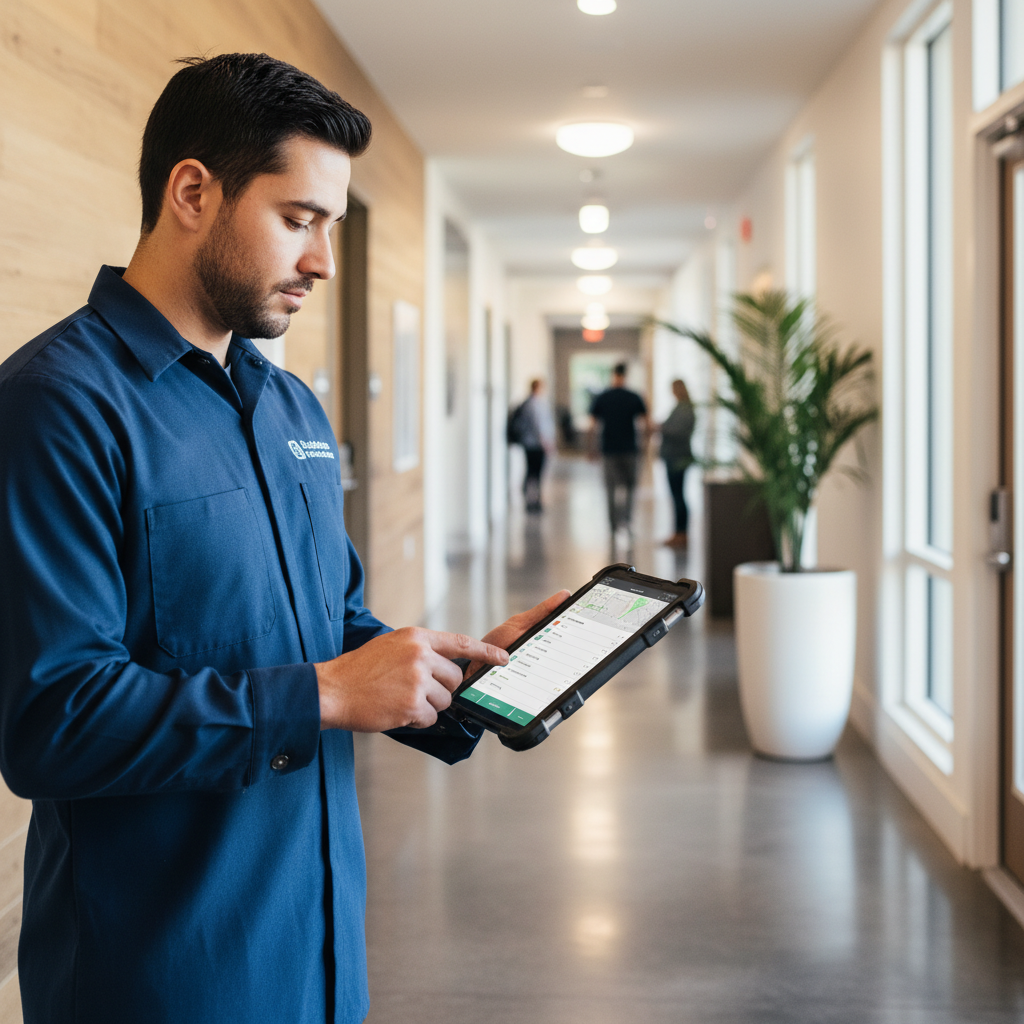
Technology is the force multiplier for your standardized workflows. A modern Computerized Maintenance Management System (CMMS) is non-negotiable for any serious operator today. It serves as the central nervous system for your entire maintenance operation.
The right CMMS provides a single source of truth for work orders, asset tracking, and team performance. It moves your team away from radios, paper tickets, and disjointed text threads into a clean, data-rich environment. Look for platforms with robust mobile apps for technicians and seamless integration with your primary Property Management Software (PMS).
| Feature | Impact on Operations | Top Provider Examples |
|---|---|---|
| Mobile Work Orders | Technicians receive, update, and close tickets in the field, reducing travel time and administrative work. | AppFolio, Entrata, Yardi |
| Asset Tracking & History | Log every repair on major appliances (HVAC, water heaters), enabling preventative replacement and budget forecasting. | ResMan, RealPage |
| Performance Analytics | Track key metrics like average ticket completion time, work orders per day, and costs per unit. | Buildium, Property Meld |
Implementing a CMMS typically reduces average work order completion time by 20-40% within the first six months.
Pillar 3: Strategic Vendor Management & Ancillary Services
Strategic vendor management involves offloading non-core tasks to specialists, freeing your highly-paid maintenance technicians to focus on skilled work that directly impacts asset preservation and resident satisfaction. The most impactful area for this is waste management.
Partnering with a valet trash service is one of the fastest ways to reclaim maintenance hours. Instead of spending 5-10 hours per week managing overflowing dumpsters, compactors, and resident trash issues, your team can focus on work orders and preventative maintenance. This operational shift is detailed in our Operator's Guide to Valet Trash Service for Apartments in Texas.
Consider the ROI:
- Maintenance Time Saved: At an average maintenance tech wage of $22/hour in Texas, saving 7 hours per week equals over $8,000 in reclaimed labor value annually per property.
- Cost Structure: A valet trash service typically costs the property $8–$11 per door, per month. This cost is passed to residents as a mandatory ancillary fee of $25-$30, generating a new NOI stream of $14-$22 per door, per month.
By outsourcing this function, you not only improve site cleanliness and resident satisfaction but also convert a maintenance headache into a recurring revenue line item. This directly benefits property managers by simplifying a major operational burden, a concept we explore further in How Valet Trash Service Benefits Property Managers in TX.
For a deeper dive into optimizing your waste stream, conducting a formal audit can reveal significant savings, as outlined in our Waste Removal Services for TX Apartment Complexes: An Audit.
Executing a Preventative Maintenance (PM) Program
A preventative maintenance program is the key to shifting from a reactive "firefighting" model to a proactive, asset-preservation model. A well-executed PM program reduces unexpected failures, extends the life of major systems, and lowers overall costs.
The core principle is simple: schedule inspections and minor services to prevent catastrophic failures. This is particularly vital in Texas for HVAC systems, which are put under extreme stress during the summer. A failed AC unit in August in Houston is not just an expensive emergency call—it's a major resident retention risk.
Building Your PM Calendar
Structure your PM program on a quarterly basis. Assign specific tasks to each quarter to balance the workload and align with seasonal needs.
- Q1 (Jan-Mar): Interior inspections. Check for slow leaks under sinks, test smoke detectors, and inspect window seals. This is also a good time for dryer vent cleaning across the property.
- Q2 (Apr-Jun): HVAC Tune-Up. Change filters, clean condenser coils, and check refrigerant levels before the July heat arrives. Inspect pool and irrigation systems.
- Q3 (Jul-Sep): Exterior and Safety. Inspect roofing, gutters, and exterior lighting. Check fire extinguishers and emergency exit signage.
- Q4 (Oct-Dec): Final HVAC prep and plumbing. Check heating elements and prepare for potential freezes by insulating exposed pipes. Perform water heater flushes.
This structured approach, managed through your CMMS, ensures no critical asset is overlooked. It transforms maintenance from a source of resident complaints into a quiet, professional function that enhances asset value.
This proactive stance is a cornerstone of strong operational playbooks, a central theme in our resources on Property Management Best Practices.
Frequently Asked Questions
How do I get my maintenance team to adopt new technology like a CMMS?
Successful adoption hinges on demonstrating the direct benefit to them. Frame it as "less paperwork, no more radio calls, and clearer instructions." Start with a pilot group of your most tech-savvy technicians, create internal champions, and provide comprehensive mobile training. Emphasize that the tool helps them complete work faster and prove their performance with data.
What are the most important maintenance metrics to track?
Focus on metrics that directly reflect efficiency and resident satisfaction. The top four are: 1) Average Work Order Response Time (how long from ticket submission to first action), 2) Average Work Order Completion Time (from submission to close), 3) Work Orders Completed Per Technician Per Day, and 4) First-Time Fix Rate (the percentage of issues resolved on the first visit).
Is valet trash service worth the cost for streamlining maintenance?
Yes, because it typically generates net income while saving significant maintenance labor. The property pays a vendor $8-$11/door but bills residents $25-$30/door as a standard fee. This creates a monthly NOI of $14-$22 per unit while freeing up your maintenance team from dealing with trash, which can consume up to 10 hours per week. They can reallocate that time to skilled work orders.
How can I implement a preventative maintenance program without overwhelming my team?
Start small and build incrementally. Begin with a single, high-impact task, like a quarterly HVAC filter change program for the entire property. Use your CMMS to schedule these tasks automatically. Once that process is running smoothly, add the next task, like annual water heater flushes. Don't try to launch a comprehensive 50-point inspection program overnight.
What is the "make-ready" process and how can it be streamlined?
The make-ready process is the series of steps to turn a vacated apartment unit and prepare it for a new resident. Streamline it by creating an ironclad checklist in your CMMS. Use a "make-ready board" to track the status of all vacant units (painting, cleaning, maintenance repairs, final inspection). This visibility prevents delays and helps your leasing team give accurate move-in dates.
How does streamlined maintenance impact resident retention?
Maintenance quality is consistently one of the top two drivers of resident retention, alongside customer service. Fast, professional, and effective maintenance service builds trust and makes residents feel cared for. Slow or sloppy service is a primary reason residents choose to move out. Improving maintenance is a direct investment in your resident retention strategies.''', keywords=[
Ready to upgrade your trash valet program?
Discuss your property-specific scope and quote with our team.
Related reading
A PM's Guide to Improving Multifamily Resident Experience
Elevate your Texas apartment community by focusing on three core pillars: operational excellence, high-touch communication, and premium amenities. Learn how to boost resident satisfaction and retention.
11 Cost-Saving Strategies for Apartment Complexes in Texas
Discover 11 operator-grade cost-saving strategies for apartment complexes in Texas. Cut utility expenses, optimize vendor contracts, and boost your Net Operating Income (NOI) with actionable frameworks for PMs.
5 Cost-Saving Strategies for Multifamily Communities in TX
Practical cost-saving strategies for Texas multifamily communities that boost NOI. Learn to cut utility, maintenance, and vendor expenses without sacrificing quality.