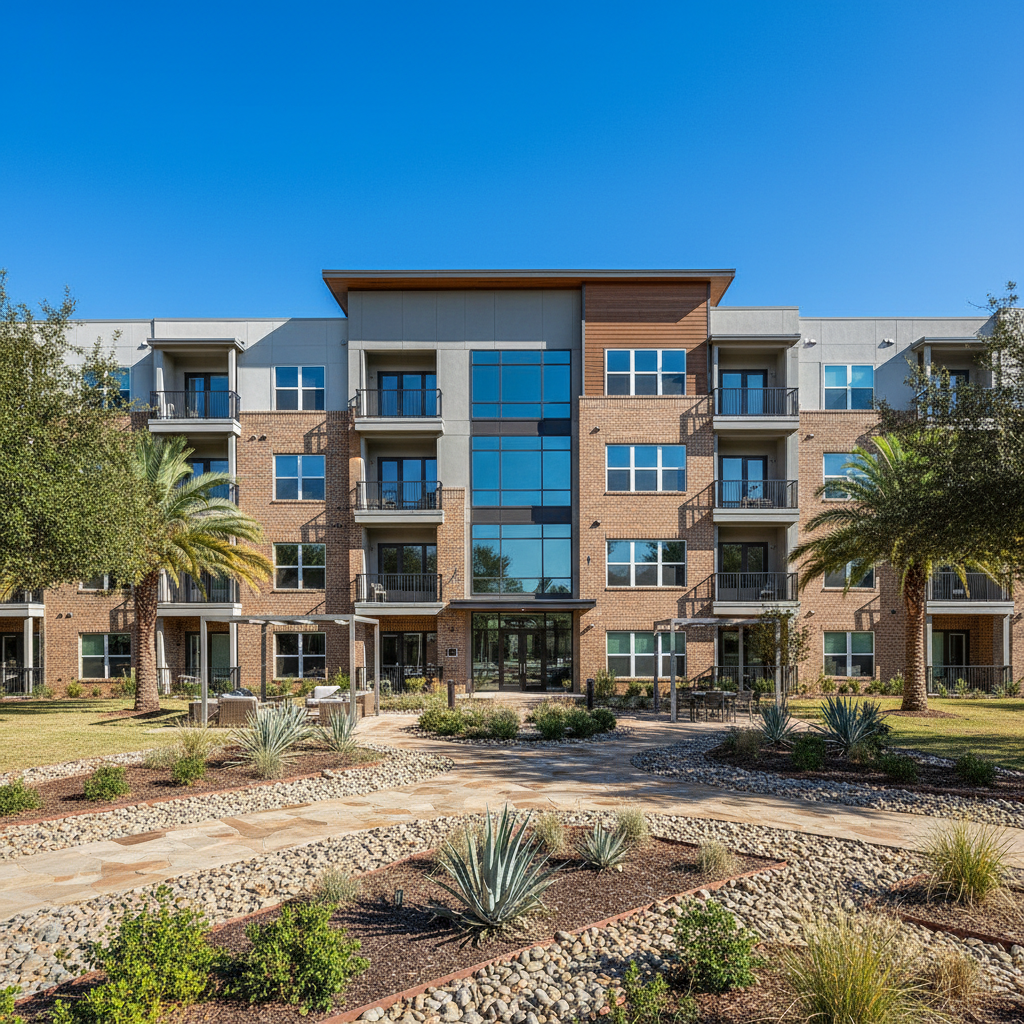
Optimizing Multifamily Property Operations: A TX PM's Guide
A Texas operator's playbook for optimizing multifamily property operations. Learn to boost NOI, systematize vendor management, and increase resident retention with actionable frameworks and real-world data.
''' Optimizing multifamily property operations requires a data-driven approach focused on three core pillars: maximizing Net Operating Income (NOI), systematizing vendor management, and boosting resident retention through high-impact amenities. This playbook provides Texas operators with the frameworks to enhance asset performance and drive profitability in competitive markets.
TL;DR:
- Systematically increase NOI by auditing major expenses like waste management and strategically adding high-margin ancillary revenue from services like valet trash.
- Implement a vendor scorecard to measure performance, reduce costs, and ensure consistent service delivery, freeing up valuable on-site staff time.
- Reduce turnover costs by focusing on operational factors that drive resident satisfaction, such as clean common areas and responsive maintenance.
The NOI-Centric Framework for Operations
This framework evaluates every operational decision based on its direct impact on Net Operating Income (NOI). It forces a disciplined focus on the two primary levers you control: revenue and expenses. Every task, vendor, and workflow should be scrutinized for its contribution to, or drain on, profitability.
In hyper-competitive Texas markets like Austin and Dallas, where margins are tight, an NOI-centric approach separates leading operators from the pack. It’s about shifting from a "cost of doing business" mindset to an "investment in profitability" mindset.
Boosting the Revenue Side
While rent growth is the primary driver, ancillary income provides a critical, controllable revenue stream. The key is to implement services that residents genuinely value and are willing to pay for, creating a new profit center.
Valet trash is the quintessential example. A property can contract a reliable service provider for $8–$11 per door, per month. The standard market rate charged to residents is typically $25–$30 per month. This generates $14–$22 per door in pure profit, flowing directly to NOI.
Consider the direct financial impact:
- Asset: 300-unit Class B community in suburban Houston
- Ancillary Fee: $28/month
- Vendor Cost: $10/month
- Monthly Profit: $18 per unit
- Annual NOI Increase: $18 x 300 units x 12 months = $64,800
This is new revenue generated from an amenity that also improves the property's cleanliness and resident experience, contributing to retention.
Controlling the Expense Side
Expense control isn't just about cutting costs; it's about optimizing value. Your largest contract service line items—waste, landscaping, and pest control—are the best place to start. A thorough audit can uncover significant savings.
For instance, many properties overpay for waste hauling due to having too many dumpsters or unnecessarily frequent pickups. A waste removal services audit can right-size your service level to your actual needs, often trimming 15–20% off your monthly hauling bill. Systematic expense audits should be a core component of your property management best practices.
Systematizing Vendor Management for Peak Performance
Systematizing vendor management means establishing a formal process for selecting, monitoring, and evaluating service partners. This replaces reactive problem-solving with proactive performance management, saving time for your on-site team and improving service quality for residents.
Without a system, property managers are stuck in a cycle of calling vendors about missed service, inconsistent quality, and surprise invoices. This is a massive drain on payroll and a primary source of resident frustration.
The Vendor Scorecard Framework
Implement a simple scorecard to track the performance of your key vendors. This creates an objective record of their value and holds them accountable to specific, measurable standards. A vendor that cannot meet these basic KPIs is a liability to your operation.
| Vendor Category | Key Performance Indicator (KPI) | Monthly Target | Actual Performance | Notes |
|---|---|---|---|---|
| Valet Trash | Missed Pickup Complaints | < 3 | 1 | Resolved within 2 hours |
| Contamination Notices | < 1% | 0.5% | Porter performing well | |
| Landscaping | Resident Complaints (debris, etc.) | < 5 | 8 | Crew leaving clippings on walkways |
| Irrigation Issues (leaks, etc.) | 0 | 2 | Slow response to work order | |
| Pest Control | Repeat Service Calls (same unit) | < 2% | 1.5% | Meeting expectation |
This data allows you to have data-driven conversations during contract renewal. It’s no longer about feelings; it’s about performance against a clear standard.
Freeing Up Your Maintenance Team
A direct benefit of well-managed vendors, particularly for valet trash, is the recovery of your maintenance team's time. Without a reliable service, maintenance staff often spend hours each week shuttling trash from overflowing bins to the dumpster area, cleaning up spills, and dealing with compactor jams. This is low-value work that pulls them away from make-readies and resident work orders.
By partnering with a professional firm, you ensure waste is handled correctly every time. This can return 5–10 hours of maintenance labor per week, which can be reinvested into value-adding tasks that improve resident retention. For a deeper dive on selecting the right partner, see The Operator's Guide to Valet Trash Service for Apartments in Texas.
The Financial Impact of Resident Retention
Resident retention is the strategic practice of keeping tenants, which directly grows NOI by minimizing turnover costs. The cost of a single unit turn is one of the largest controllable expenses in multifamily operations, estimated between $3,000 and $5,000 in major Texas markets.
This figure includes lost rent during vacancy, make-ready costs (painting, cleaning, repairs), marketing and advertising for a new lease, and leasing staff commissions. Every renewal you secure is a direct saving of thousands of dollars. As explored in our guide to improving resident retention, the financial leverage is immense.
How Daily Operations Drive Renewals
Residents don't leave because of a single major issue; they leave because of a series of small, persistent operational failures. These "paper cut" issues signal to the resident that management is not delivering on its brand promise:
- Common area trash cans are always full.
- The dumpster area is a mess.
- Maintenance requests take too long to resolve.
- Hallways and breezeways feel dirty.
Valet trash service directly addresses several of these points. It keeps hallways cleaner and eliminates the visual and logistical nightmare of overflowing dumpsters. As detailed in our analysis of how valet trash benefits property managers, it’s an operational investment that doubles as a retention tool.
A Tactical Playbook for On-Site Execution
On-site execution is the process of translating your operational strategy into the daily actions of your team. This is where high-level goals for NOI and retention are won or lost. It requires clear communication, defined processes, and the right tools.
The 15-Minute Daily Huddle
Start each day with a brief, standing huddle with your maintenance and leasing teams. The agenda is simple:
- Review Yesterday's KPIs: How many open work orders? Any negative reviews? Any resident complaints?
- Today's Priorities: What are the top 3 priorities for maintenance? What are the leasing team's goals?
- Obstacles: What is preventing progress? Does anyone need support?
This simple ritual aligns the team, creates accountability, and ensures everyone is focused on the same operational objectives.
Leverage Your Technology Stack
Your property management software (Yardi, Entrata, RealPage) is more than a rent collection tool. It is an operational database. Properties that actively use their PMS data to guide daily operations see a 10-15% reduction in open work orders.
Use your system to:
- Track Work Order Aging: Flag any ticket open for more than 48 hours.
- Monitor Resident Communication: Are you responding to emails and portal messages within a set timeframe?
- Analyze Maintenance Trends: Are you seeing repeated issues in the same units? This could indicate a larger capital issue that needs to be addressed.
These tactics are foundational to building a high-performance operation. For a complete overview of these frameworks, explore our pillar on Property Management Best Practices.
Frequently Asked Questions
What's the first step in optimizing multifamily operations?
Start with a diagnostic audit of your largest, most controllable expenses: contract services (especially waste management), maintenance payroll, and unit turnover costs. This will immediately show you where the biggest financial leaks are and provide a clear path for your first optimization project.
How can I add ancillary revenue without alienating residents?
Focus on providing services with a high perceived value that solve a real problem. Valet trash is the model for this; residents pay a fee but gain convenience and cleanliness they experience daily. Avoid "junk fees" for abstract administrative costs that offer no tangible benefit.
What is a realistic NOI increase from operational optimization?
A focused optimization program can realistically yield a 3–5% increase in NOI within the first 12-18 months. This typically comes from a combination of 10-20% savings on a major expense line like waste hauling and the implementation of a new ancillary revenue stream.
How does valet trash service directly impact operations?
It streamlines waste logistics, eliminating dumpster overflows, reducing groundskeeping labor, and enabling a cleaner property aesthetic. This frees your maintenance team to focus on value-add work orders and make-readies, directly improving resident satisfaction and shortening the time vacant units are off the market.
Which Texas markets are most competitive for multifamily operations?
Austin and Dallas-Fort Worth are currently the most competitive, with high rates of new construction demanding flawless operational execution to attract and retain residents. Houston and San Antonio are also highly competitive, but operators can often create a more distinct advantage through operational excellence and superior service.
How often should we review our vendor contracts?
All major vendor contracts should be reviewed annually, starting no less than 90 days before the auto-renewal date. This provides sufficient time to audit their performance using a scorecard, solicit competitive bids from other providers, and negotiate terms from a position of strength. '''
Ready to upgrade your trash valet program?
Discuss your property-specific scope and quote with our team.
Related reading
A PM's Guide to Improving Multifamily Resident Experience
Elevate your Texas apartment community by focusing on three core pillars: operational excellence, high-touch communication, and premium amenities. Learn how to boost resident satisfaction and retention.
11 Cost-Saving Strategies for Apartment Complexes in Texas
Discover 11 operator-grade cost-saving strategies for apartment complexes in Texas. Cut utility expenses, optimize vendor contracts, and boost your Net Operating Income (NOI) with actionable frameworks for PMs.
5 Cost-Saving Strategies for Multifamily Communities in TX
Practical cost-saving strategies for Texas multifamily communities that boost NOI. Learn to cut utility, maintenance, and vendor expenses without sacrificing quality.