Apartment Amenities: Comparing Investment Trade-offs
Compare service, technology and shared-space amenities using resident needs, lifecycle costs and illustrative financial modeling.
Property managers should compare apartment amenities using resident needs, total cost, operating workload and the property's available budget. No amenity is automatically the highest-return choice. This guide focuses on investment trade-offs; use the resident assessment guide to identify the need first.
Compare Investment Trade-offs
| Decision factor | Service-based amenity | Technology investment | Shared physical space |
|---|---|---|---|
| Upfront cost | Confirm equipment, setup and vendor charges | Confirm installation and integration | Confirm construction and accessibility costs |
| Ongoing cost | Contracted service, administration and support | Licensing, connectivity and replacements | Cleaning, maintenance, utilities and staffing |
| Resident value | Convenience and dependable execution | Usability, reliability and access | Availability, condition and fit with resident needs |
| Evidence | Requests, complaints and service records | Adoption, support tickets and outages | Usage, maintenance records and feedback |
| Revenue | Verify fees and actual collections | Verify fees and actual collections | Do not assume a rent premium without evidence |
This is a planning framework, not a market ranking. Use the resident needs assessment before deciding which option merits a quote.
Valet Trash: An Illustrative Fee-Spread Calculation
Abfall Valet provides regular household trash collection from apartment doorsteps to the designated disposal area. It does not offer bulk pickup, recycling or pet-station service. Collection nights, access and windows are agreed for each property.
The published typical vendor rate is $8–$11 per door per month; the written proposal determines exact pricing and terms. A resident fee is separate and set by the property under its leases and applicable requirements.
The following retains an educational example, not an actual property result:
- Assumed vendor cost: $9 per door per month.
- Assumed resident fee: $28 per door per month.
- Modeled difference: $19 per door per month.
- At 300 billable units for 12 months: $19 × 300 × 12 = $68,400.
The $68,400 is an illustrative annual fee spread before vacancy, collection losses, concessions, setup, administration and other program costs. It is not guaranteed profit or verified additional NOI. Model collected revenue and all costs before using an estimate for valuation.
See current Texas pricing and ROI assumptions.
Co-working Spaces: Test Demand and Operating Requirements
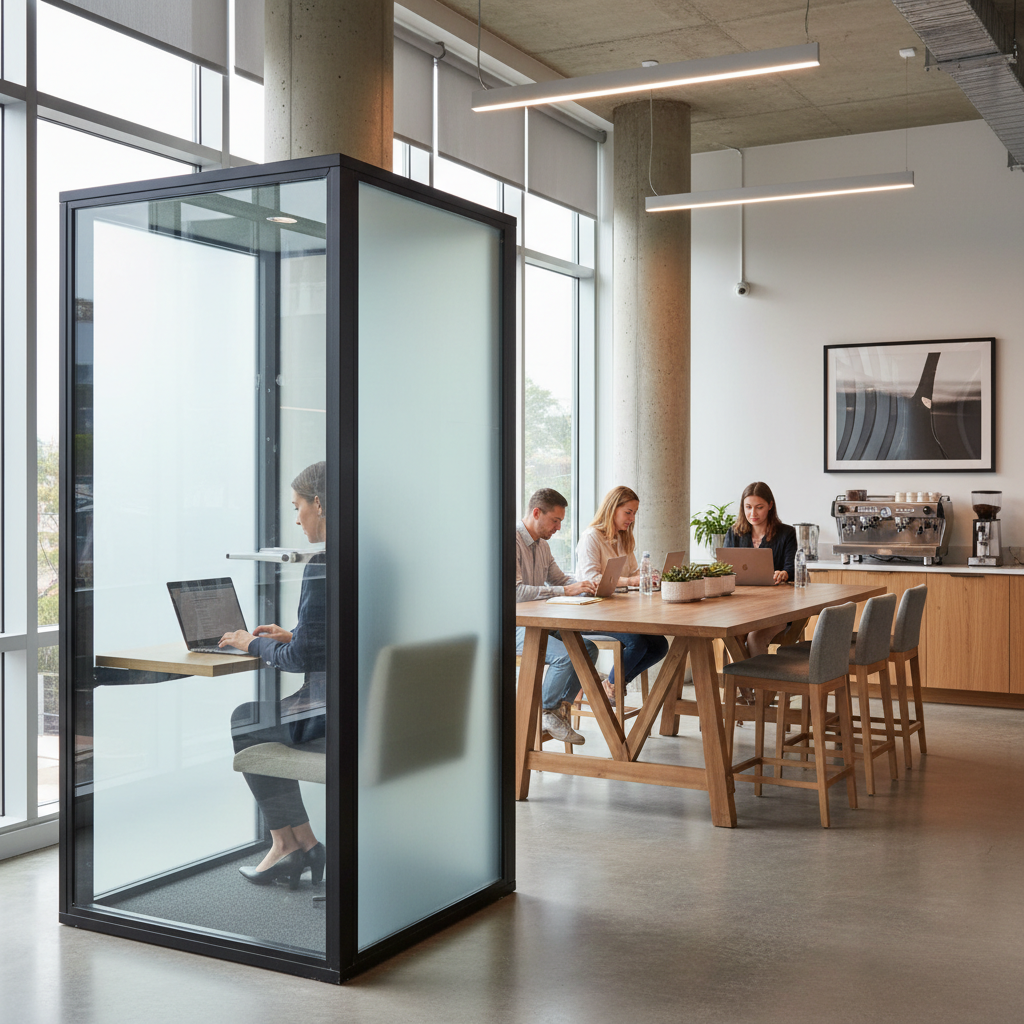
Ask residents whether they need quiet calls, shared tables, meeting rooms or dependable connectivity. Review access, acoustics, reservations, cleaning, security and accessibility. Obtain quotes rather than assuming a rental premium.
A pilot can use existing space if appropriate. Track reservations and feedback, identify conflicts, and compare ongoing costs with reported benefits. Do not treat willingness to pay as uniform across Texas communities.
Smart Home and Managed Wi-Fi: Include Support Costs
Verify compatibility, installation, privacy, support responsibilities and replacement costs. Ask how residents obtain help and what happens during an outage or vendor change. Include licensing and lifecycle costs, not only projected resident fees.
Measure potential operational benefits against a baseline. A system that saves time in one building may add support work in another.
Existing Pools, Fitness Rooms and Pet-Friendly Spaces
Review utilization and maintenance records before assuming an amenity is underused or should be replaced. Preference differs by community; condition, accessibility, cleanliness and safety can matter as much as adding something new.
Pet-friendly spaces belong to the property's broader planning process and are not Abfall services. Assign upkeep and waste responsibilities to property staff or a separate provider.
Build a Property-Specific Business Case
- Record the resident problem and supporting evidence.
- Compare the proposed option with improving an existing amenity and making no change.
- Obtain written scope and cost information, including ongoing work.
- Identify who handles resident questions, exceptions and maintenance.
- Set a review period and measure actual use, collected revenue, costs and feedback.
Keep estimates distinct from verified results. This guide does not claim a universal resident preference percentage or count assumed retention improvements as realized savings.
Frequently Asked Questions
Which amenity offers the best ROI?
There is no universal answer. Compare property costs, collected revenue, resident demand and operational impact. The fee-spread example is a model, not a promised outcome.
Should amenities have separate resident fees?
That is a property decision, subject to existing leases and applicable requirements. Review disclosure, collection and participation assumptions before including fees in a model.
How should managers compare valet trash proposals?
Confirm layout, disposal access, collection needs, reporting, resident help and written terms. Abfall supports documented service and come-back requests, but arrival times, same-night pickup and automatic credits are not guaranteed.
Where can I confirm availability?
Abfall serves Austin and surrounding communities and invites inquiries in San Antonio, Dallas–Fort Worth and Houston. Confirm availability for the specific property before recommending a start date. Request a proposal.
Ready to upgrade your trash valet program?
Discuss your property-specific scope and quote with our team.
Related reading
Top Rated Luxury Apartment Amenities: A TX Operator Guide
Discover the top rated luxury apartment amenities driving resident retention and multifamily NOI in Texas. Real operator data, costs, and amenity rankings.
Top Apartment Amenities That Increase Rent: ROI Guide
Discover the top apartment amenities that increase rent, boost NOI, and maximize tenant retention, featuring hard numbers and Texas market analysis.
How to Boost Resident Loyalty in Apartment Buildings: A TX Guide
Boost resident loyalty in apartment buildings by focusing on operational excellence, high-ROI amenities, and clear communication. Learn how Texas operators can increase retention and NOI.